Meet
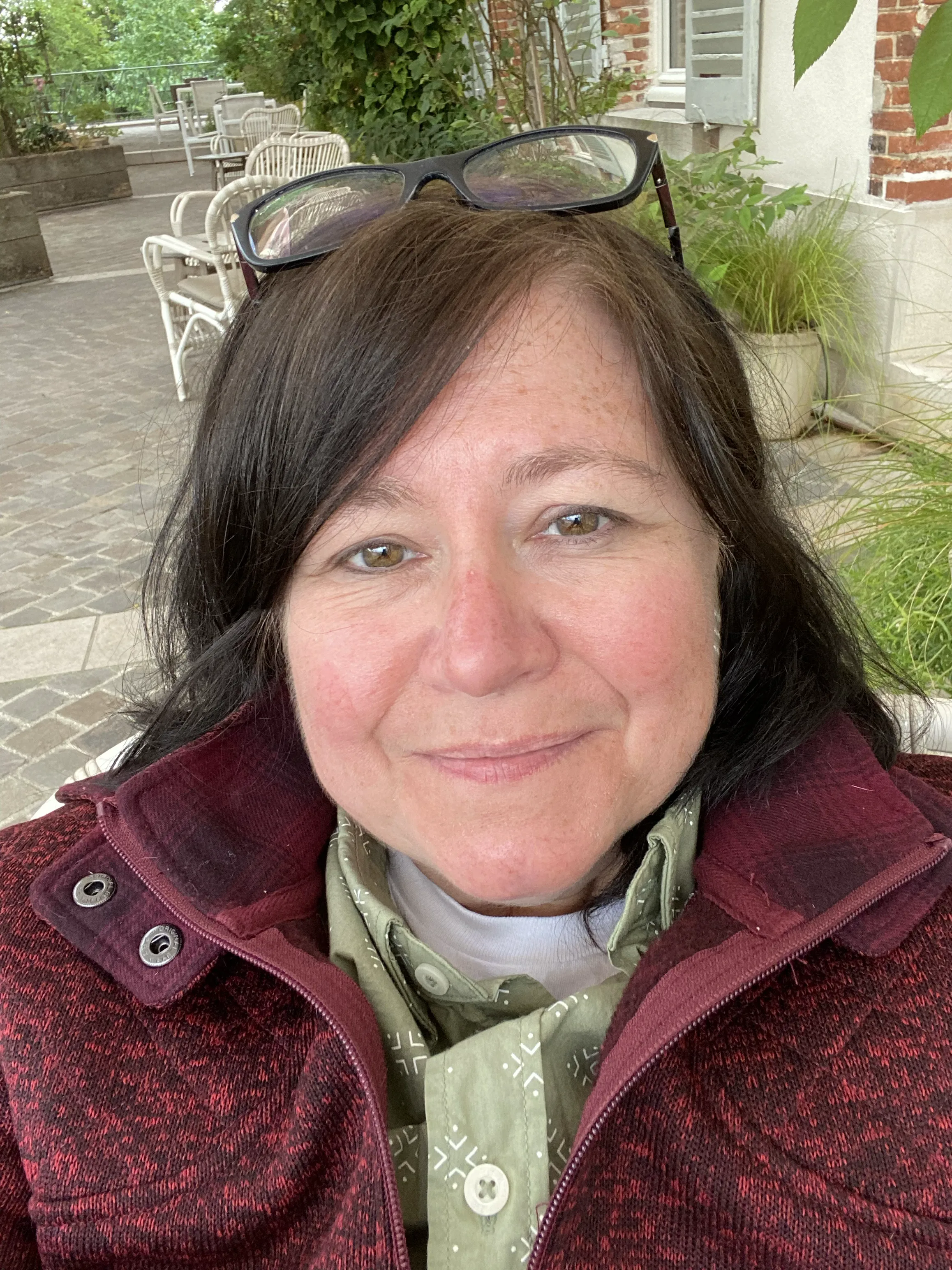
Susan Stump
- Founder, Manager
“The heroes are the people doing the work. Our job is simply to make their work a little easier.”
My name is Susan Stump, and before ELRECS Fundraising and Strategy ever existed, there was a dog named Elijah.
In 2008, my first dog as an adult, Elijah Edward Stump, passed away at just four years old from Addison’s disease. Losing him changed my life. Shortly afterward, I adopted Lucy Lu from the Buffalo City Animal Shelter, and together we began a new adventure.
In 2009, just before turning 40, Lucy Lu and I moved from Buffalo, New York, to Charlotte, North Carolina. I sold my home, bought a fixer-upper between NoDa and Plaza Midwood, and looked forward to building a new life and making new friends.
Not long after moving in, I noticed the dog living next door—a pit bull kept on a heavy logging chain with little shelter and, too often, without food or water. I started bringing him treats and fresh water every day while trying to build a relationship with his owners in hopes of improving his life.
That dog changed the direction of my life.
Later that year, I attended a Charlotte City Council meeting about dog tethering and was introduced to Coalition to Unchain Dogs. I immediately began volunteering, helping build free fences for dogs that had spent their lives on chains. It didn’t take long before volunteering became fostering, transporting, fundraising, networking, and doing whatever else was needed to help animals and the people trying to save them.
I eventually partnered with another rescuer in Lee County, North Carolina, to create Animal Friends of Lee County. Together, we developed a transport network that worked with rescue organizations in Buffalo and across the Northeast to pull at-risk dogs from overcrowded southern shelters. We found sponsors to help cover veterinary care, spay and neuter surgeries, vaccinations, microchips, food, boarding, transportation, and countless other expenses that make rescue possible.
Over the next thirteen years, I learned something that still shapes everything ELRECS stands for today:
Animal rescue is never just about saving animals.
It’s about the volunteers who answer the phone at midnight. The wildlife rehabilitator who feeds orphaned babies every few hours. The sanctuary owner who skips a paycheck to buy hay. The foster family who opens their home again and again. The donors, veterinarians, transporters, and businesses who quietly make it all possible.
The heroes are the people doing the work.
My role has always been finding ways to support them.
Fundraising, sponsorships, partnerships, marketing, community outreach, and connecting good people with one another became my passion because every dollar raised and every partnership formed allowed another nonprofit to focus on what they do best—saving lives.
Today, ELRECS Fundraising and Strategy was created to bring those same ideas together on a larger scale.
Named in honor of my own dogs — Elijah, Lucy Lu, Rocky, Ella, Charlie, and Scooter — ELRECS exists to support animal welfare organizations, not compete with them. Our growing network includes twenty one nonprofit organizations representing dog and cat rescues, wildlife rehabilitators, donkey and equine rescues, farm animal sanctuaries, and other compassionate organizations working every day to improve the lives of animals. This includes Running for Rescues. A group of runners that raise funds to help small grass roots animal related non profits around the country with no paid employees pay veterinary bills.
Our philosophy is simple:
We are stronger together than we could ever be alone.
When organizations share ideas instead of competing for them, when sponsors can confidently find legitimate nonprofits to support, and when communities work together instead of separately, everyone benefits—especially the animals.
The nonprofits in our network are the ones doing the hard work. ELRECS simply exists to stand beside them, open more doors, raise more funds, build more partnerships, and help ensure they have the resources they need to continue changing lives.
If we can help even one more organization save one more animal, then we’re doing exactly what we were created to do.