Wildlife Rehabilitation
Carolina Wildlife Sanctuary
- Concord, NC
- Founded 2017
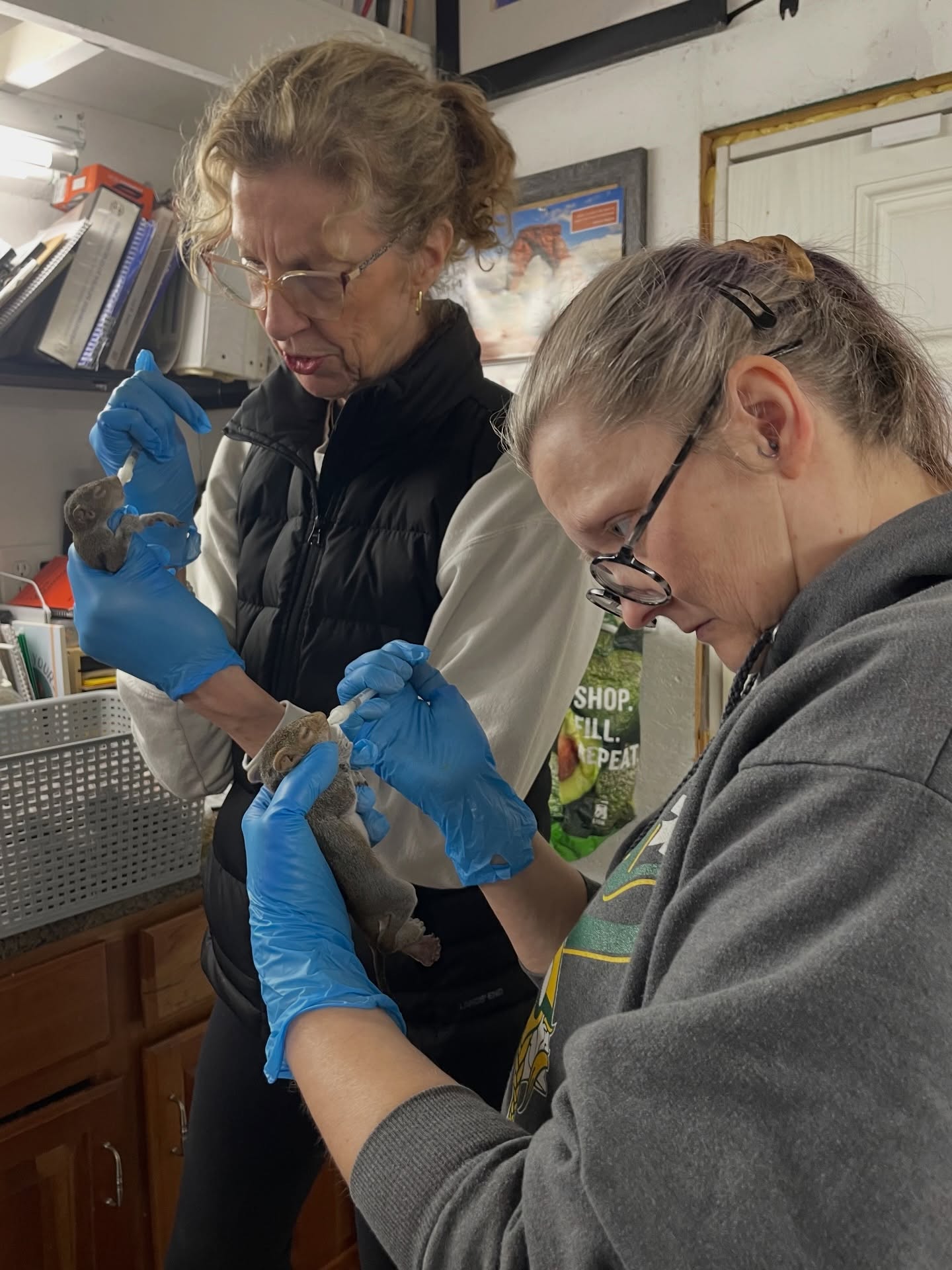
- 650+ patients admitted
- 81 species treated
- 95% survival rate after first 24 hours
Carolina Wildlife Sanctuary is a licensed 501(c)(3) wildlife rehabilitation organization serving Cabarrus County and the greater Charlotte region of North Carolina. Founded in 2018, CWS operates from a dedicated facility — not a home, but a purpose-built space designed specifically for wildlife care — staffed entirely by 20 trained volunteers, several of whom hold their own state and federal permits.
In 2025, CWS admitted 651 patients across 81 species, achieving a 95% survival rate after the first 24 hours of care. The organization operates on an annual budget of $19,000 with zero paid staff, making every dollar go directly toward patient care, facility upkeep, and community education.
CWS serves animals from across the Eastern Piedmont of North Carolina — providing a critical safety net for injured, orphaned, and displaced native wildlife.
From Eastern Cottontails and Virginia Opossums to songbirds, raptors, and reptiles, CWS handles the full range of native North Carolina wildlife. The organization is reachable by hotline seven days a week and provides free intake, care, and release services to the public.
About Jessica Cline, Founder & Executive Director
Jessica Cline founded Carolina Wildlife Sanctuary in 2017 after more than two decades working in wildlife rehabilitation. She holds both a North Carolina state wildlife rehabilitation permit and a USFWS federal migratory bird permit, and serves as CWS’s lead rehabilitator — overseeing all patient intake, care protocols, volunteer training, and release decisions.
Under her leadership, CWS has grown from its early roots into a dedicated facility serving one of North Carolina’s fastest-growing regions. Jessica built and maintains a team of 20 trained volunteers, several of whom have gone on to earn their own state rehabilitation permits — a reflection of her commitment to growing local capacity for wildlife care.
Jessica approaches rehabilitation with equal parts science and heart. She is known in the region for her responsiveness, her rigorous care standards, and her belief that every animal — no matter how small — deserves a real chance at returning to the wild.
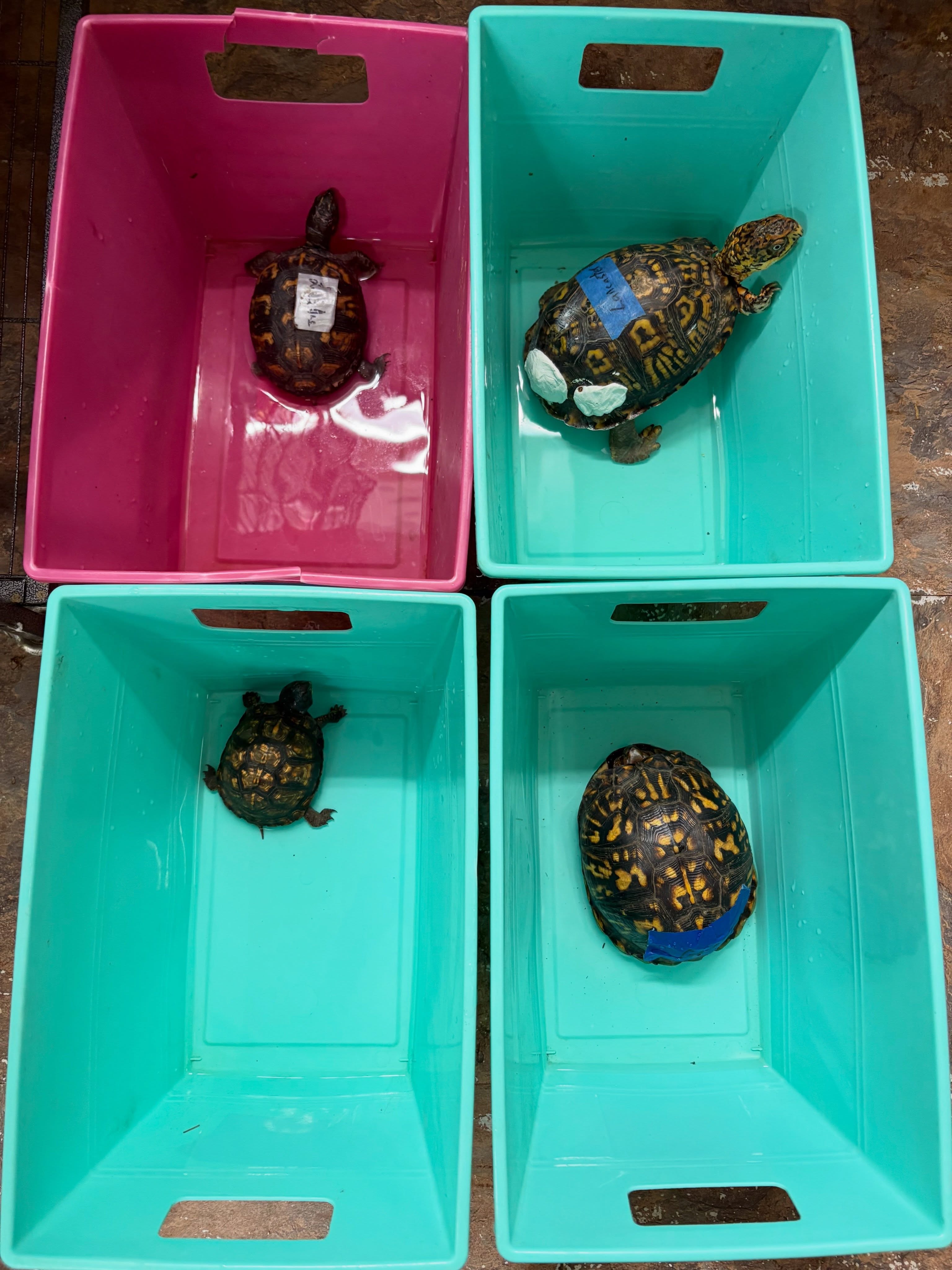 A box turtle can live 30-50 years in the wild. It just has to survive the road first.
 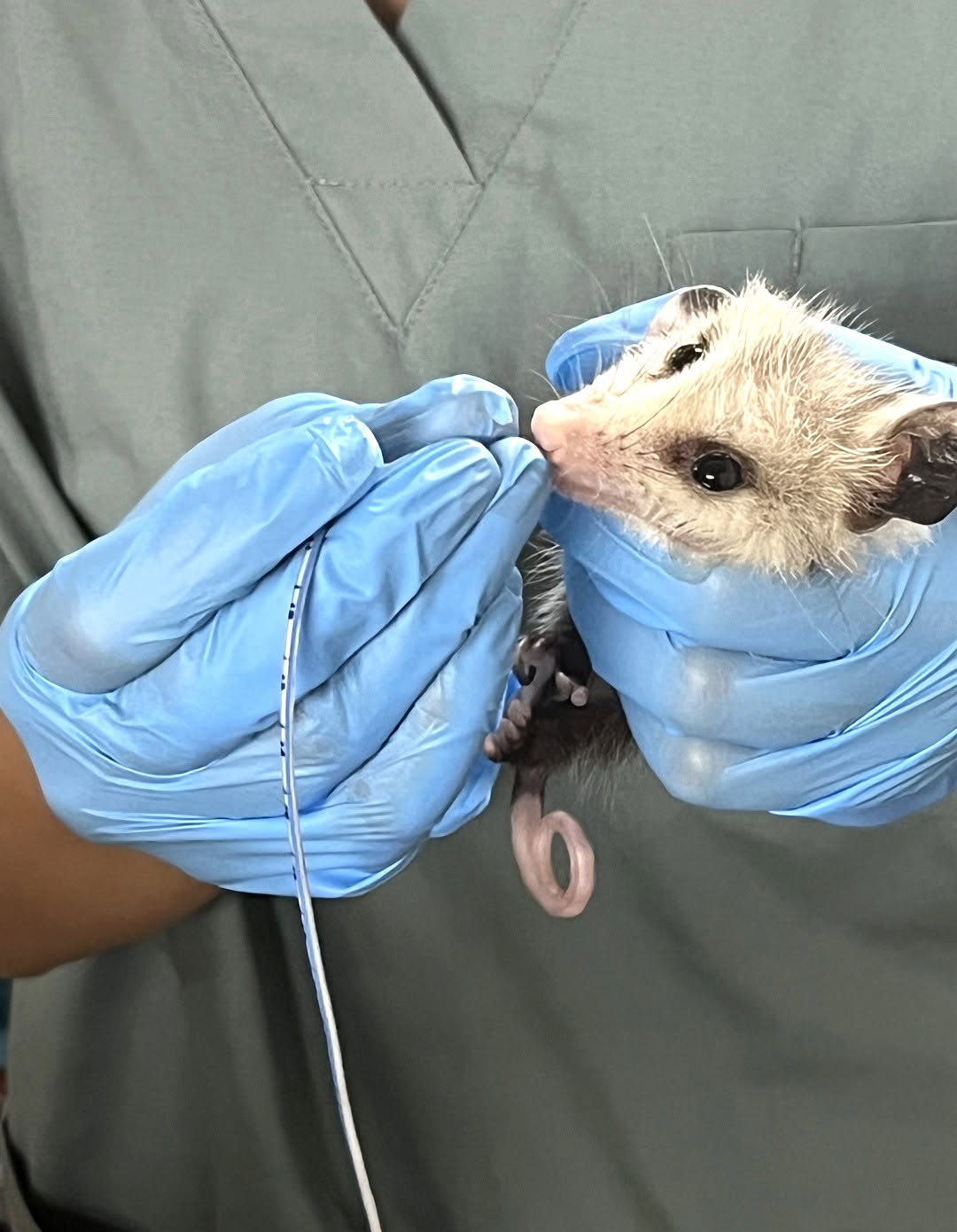 Every enclosure cleaned. Every patient fed — multiple times. More gloves than we can count, three shifts a day, every day.